Physical hardware offers a significant opportunity to transform a digital utility into a tactile anchor, thereby boosting customer lifetime value (LTV) and establishing a presence that transcends just a computer interface.
Introduction
The emergence of VSTs and digital plugins fundamentally revolutionized music creation by allowing developers to produce high-quality software equivalents at a fraction of the cost of traditional hardware. Consequently, creators have come to rely heavily on the efficiency and cost benefits that have defined the plugin era for years.
However, while the barrier to entry for developing these tools has lowered, the market has become extremely crowded. As companies increasingly claim their products will “revolutionize production” through recycled phrases and minor UI updates, the perceived value of these emulations has begun to diminish. This proliferation of cheap alternatives threatens to dilute brand loyalty, effectively transforming software into a transactional utility rather than a specialized instrument.
In this landscape, physical hardware offers a significant opportunity to transform a digital utility into a tactile anchor, thereby boosting customer lifetime value (LTV) and establishing a presence that transcends just a computer interface. A company like Neural DSP exemplifies this transition; originally a software-only company, they successfully shifted to hardware development with the Quad Cortex. This move placed them on equal footing with established competitors, though it required navigating complex operational changes that went far beyond simple software iteration.
Operational Pivots
Traditionally, software organizations are built upon agile principles: rapid iteration, continuous deployment, and flexible release cycles. In this digital environment, developers can deliver improvements incrementally via firmware updates or patches. However, this flexibility is absent in physical production; hardware is essentially limited to a single release. Even a minor defect in a critical function can necessitate a full recall, potentially derailing an entire product roadmap and causing significant financial strain.
In stark contrast, hardware development is inherently resistant to pure agile workflows. Physical manufacturing introduces rigid dependencies, such as global supply chains, component lead times, and strict regulatory certifications. These multi-layered operational requirements demand a high degree of predictability and rigorous quality testing that cannot be bypassed or easily iterated upon once the production line is active.
While these methodologies appear fundamentally opposed, a software-first company should not view the transition to hardware as a total abandonment of its iterative roots. Instead, the most effective strategy is a hybrid development structure. By anchoring physical components in a waterfall/predictive framework while maintaining agile iteration for the internal software and DSP, companies can balance the reliability of hardware with the continuous evolution of digital ecosystems.
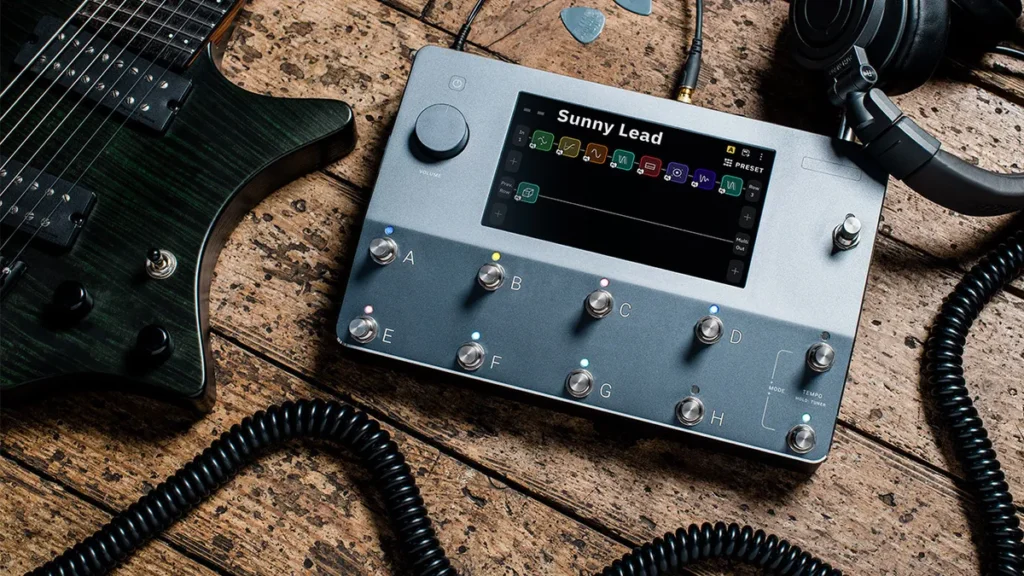
Fig. 1 Neural DSP Quad Cortex
The Power of Two
Except in cases where a digital-native organization elects to pivot exclusively toward hardware free of any software connectivity, adopting a hybrid development framework presents a significant opportunity to establish new anchors that enhance customer lifetime value. This integrated approach leverages the strengths of diverse methodologies across the following operational domains:
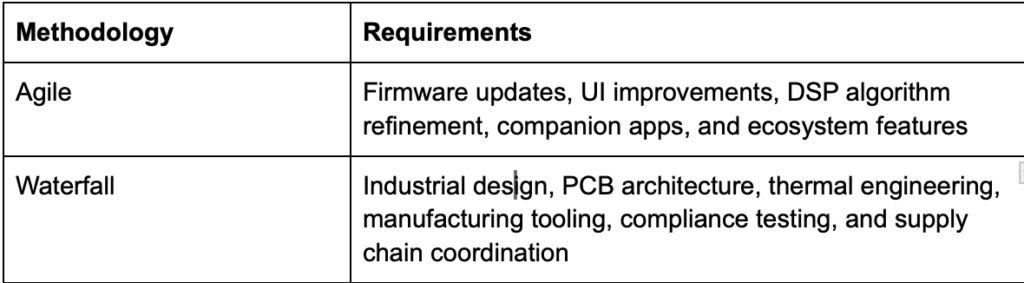
Hybrid Considerations
A customer might spend $50 on a plugin to address an immediate requirement, yet a comparable alternative often emerges shortly thereafter at a similar price point. This creates a significant hurdle for developers aiming to build brand loyalty or establish ecosystem lock-in. Conversely, a high-quality, intuitive hardware solution, such as the Quad Cortex, introduces substantial financial barriers to switching. When a product effectively meets a user’s needs, these elevated switching costs serve to strengthen brand commitment.
Even as a physical unit, the Quad Cortex relies heavily on internal software, creating significant opportunities for revenue diversification. Consider the trajectory of Apple Inc. and the iPhone; the hardware’s value grew exponentially through the App Store, which transformed a mobile media device into a robust monetization platform by allowing third-party software integration. Many believe that the App Store was a critical catalyst for the iPhone’s global success. The Quad Cortex leverages a comparable ecosystem, providing a platform where users can actively engage by sharing and downloading custom sounds. Native Instruments is another great example, specifically regarding NKS integration. Their lineup of controllers, including Komplete Kontrol, Maschine, and more integrates with their plugins for controlling presets, parameters, and other customization parameters. Along with offering this technology to third-party developers, it has allowed Native Instruments to become the powerhouse they are well known for—with 25 million users and counting.
Organizational Structures
While maintaining a robust software team with diverse skill sets remains essential, a hybrid organization must adopt an entirely new system for structuring expertise. Unlike the agile nature of software development, which allows for flexibility and iterative refinement, hardware operations must adhere to rigid manufacturing timelines and exacting protocols. Consequently, the following specialized departments and knowledge bases are critical to successfully navigating the complexities of physical product development:
- Supply chain management
- Hardware QA
- Industrial design
- Procurement
- Compliance engineers
Remember, software culture tends to prioritize speed, iteration, and possible disruption. The hybrid methodology can incorporate these elements, but it must stick to a more strict culture if the product is to succeed without defects—you can’t fix a connector fault with software…
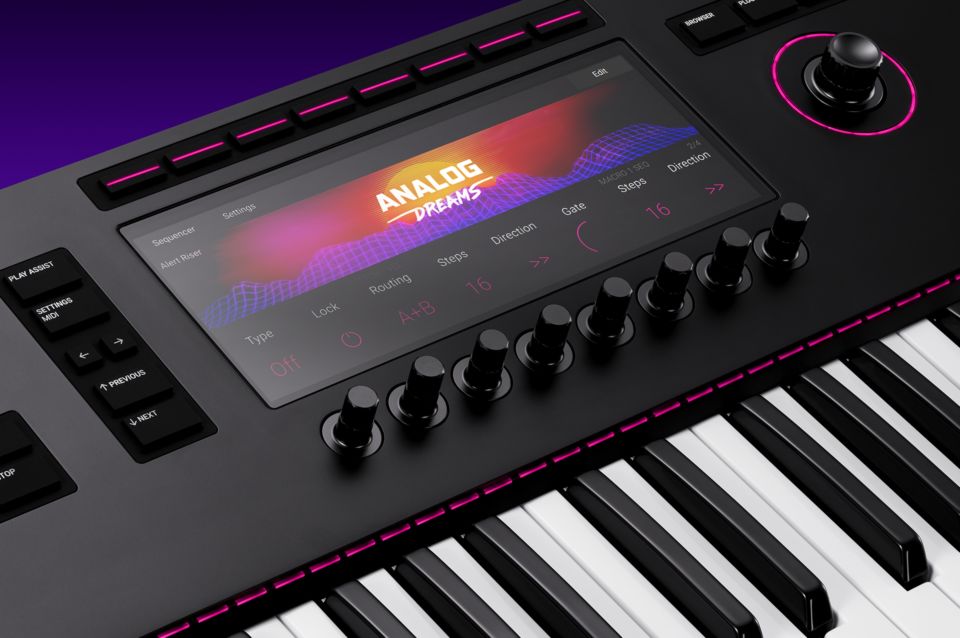
Fig. 2 Native Instruments S-Series Controller with NKS Integration
Up Next: Case Study
The Quad Cortex was a recurring device throughout this discussion. In the follow-up to this article, we will take a closer look at how Neural DSP transformed their product strategy and development by incorporating a hybrid methodology. They already were making remarkable plugins that quickly became industry standards, but that didn’t stop them from creating a revolutionary product in record speed.