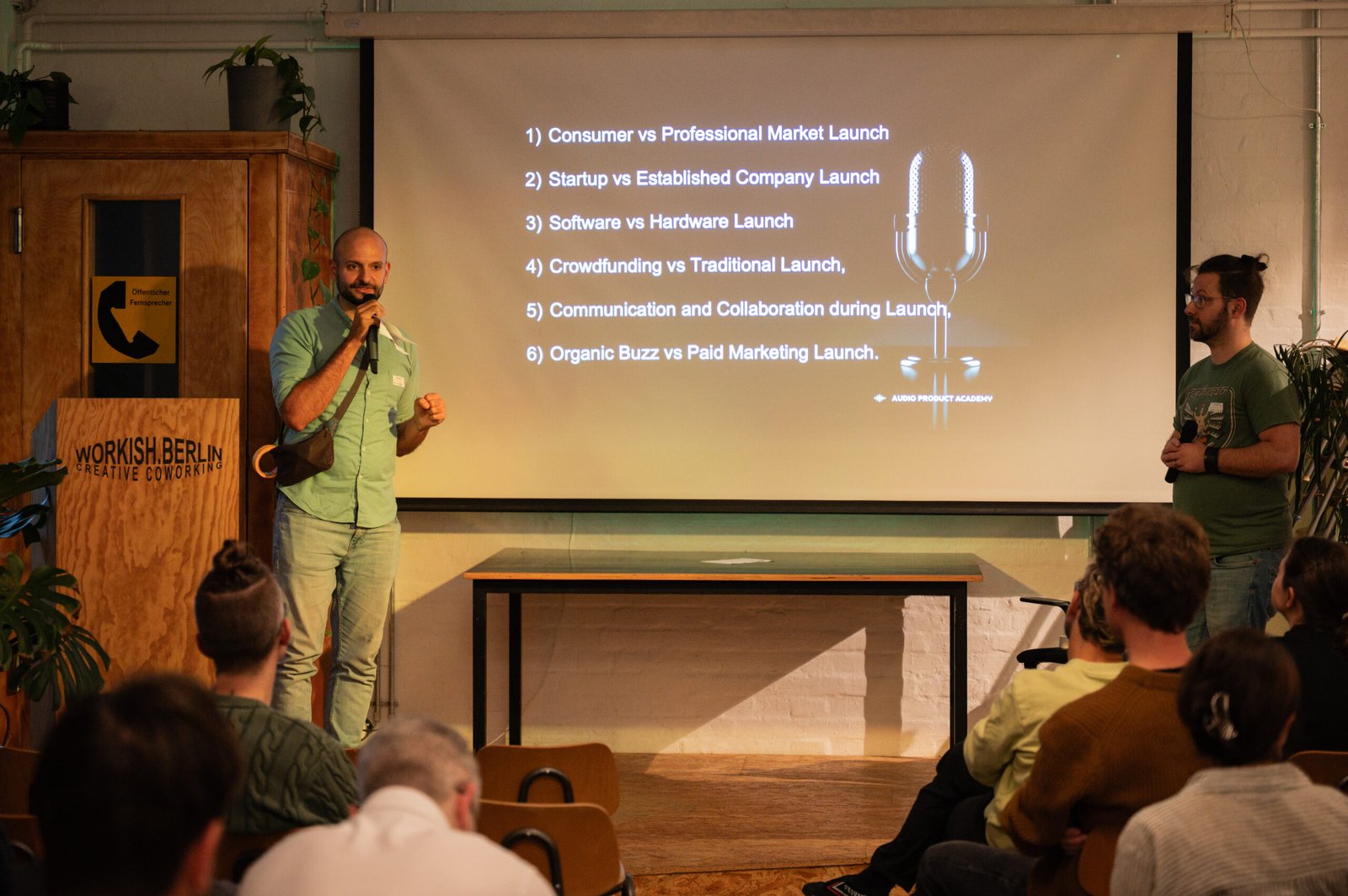
We have just released version 4.1 of the Audio Job Search engine. But I didn’t build it to help others at first. Here is a little story behind it.
From losing a job to building a small product
Audio Job Search wasn’t a commercial product idea at first. In May, I was let go from Avid (with many others), where I worked on the Pro Tools team.
If you’ve been in the audio tech world, you know the feeling. And it only got harder since a few years ago: from COVID to war, then to another war, the tariff rollercoaster. If we add private equity “investments”, market consolidation that made so many roles obsolete, and hiring freezes across major audio brands, looking for a job felt like shouting into an empty canyon.
Every single week, I found myself losing two to three full days just manually browsing career boards and reaching out to friends. Clicking through dozens of bookmarked audio company websites, scrolling through endless job listings, copying and pasting job descriptions, tailoring my CV, and applying. It was repetitive, exhausting, and completely unsustainable.
Since I was already deeply proficient in agentic AI and I was working on helping others to automate admin work, I slowly started to build an agent
Initially, I started by collecting all the brands I know into a single database. Luckily, I have been analysing the market and kept the records. I also used AI to help me enrich the database, then counted +1500 companies at the end. Almost immediately, it gave me back a big part of those two to three days every single week. Instead of burning out on endless tab-switching, I was applying to fresh openings hours after they were posted—long before they were flooded with hundreds of applicants.
When a personal hack became a little obsession
Around that time, Audio Product Academy began to grow and I decided to focus fully on the project. While I was working on releasing our online course “Building Your First AI Agent for Product Work”, I figured that my personal scraper wasn’t just a hack for me. It was something the entire pro audio community could use – if only I could make it reliable.
So I spent the next several months obsessively re-engineering it.
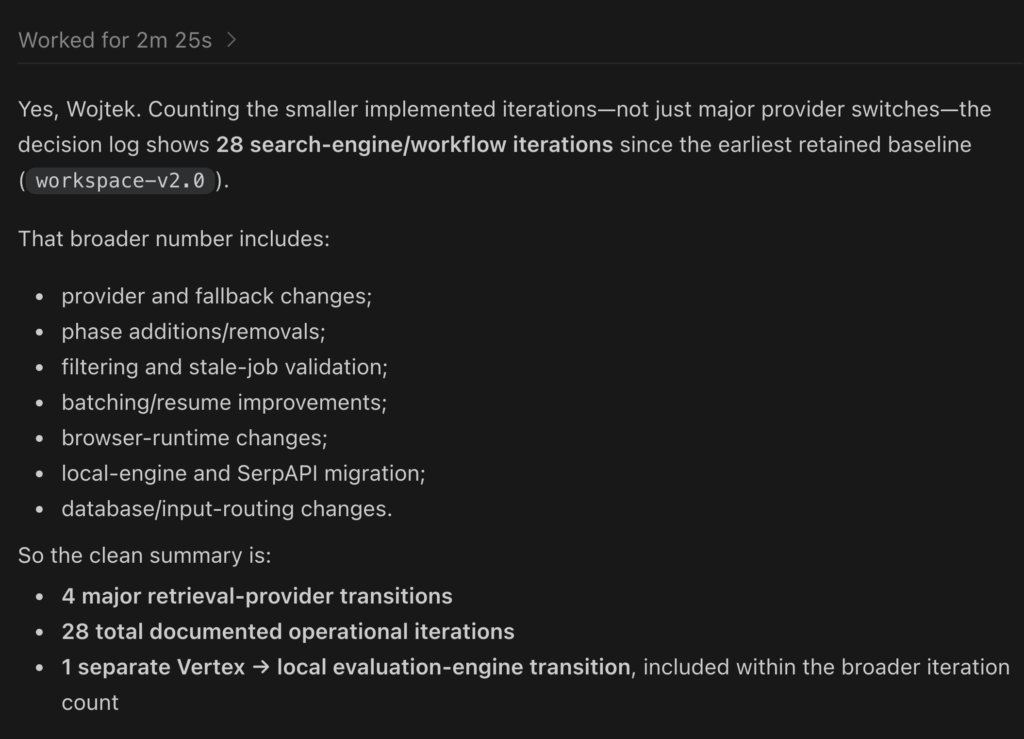
Figure 1 – A few iterations
Building a real-world web scraper that reliably tracks the pro audio industry is deceptively hard.
I ran into every obstacle the modern web could throw at me:
- Aggressive bot protection & login walls: LinkedIn and Indeed blocked automated sessions or served empty JavaScript shells.
- Runaway token consumption: Passing entire HTML pages into LLMs burned through expensive API credits in days, making recurring searches prohibitively costly.
- Third-party tool dead ends: I tried and tested virtually everything on the market—Firecrawl, custom scrapers, and raw browser extensions. Some worked partially; others were flaky, expensive, or required constant maintenance and brittle sessions.
I had to rethink the entire architecture from first principles.
Reaching the Breakthrough: Version 4
It took a few major architectural rewrites, but in Version 4.1, we finally cracked the code and arrived at a system that is clean, lightweight, highly effective, and easily digestible for anyone to run on their own machine.
Instead of relying on fragile cloud scrapers or burning cash on thousands of LLM tokens, I changed the engine into a deterministic, 2-Layer Search Architecture:
Pre-Tuned Role Profiles & Interactive Persona Builder:
Whether you’re a DSP Engineer, Sound Designer, Product Manager, Embedded Developer, or QA specialist, the agent filters jobs through vetted criteria and lets you build an interactive candidate profile matching your exact strengths.
Layer 1 — Direct Career Page Automation (Free & Deterministic):
We use local Python and headless Playwright automation to crawl our hand-groomed database of the 222 largest pro audio brands and capital groups. It pulls real text and evaluates titles using fast local regex rules—consuming virtually zero tokens.
Layer 2 — External Multi-Portal Discovery via Google SerpAPI:
For the top 100 renowned brands that don’t maintain direct career pages or public ATS portals, we query Google SerpAPI in a single consolidated pass across LinkedIn, Indeed, Glassdoor, ZipRecruiter, and Welcome to the Jungle. One single search credit per company, zero login walls, and zero risk of bot bans.
Why Speed and Connections are the Only True Advantage in 2026
If you wait until an audio role appears on your LinkedIn feed or gets shared in a Slack group, you’re already competing with 300 to 500 applicants. The hiring manager is overwhelmed within 48 hours, and applicant tracking systems start filtering resumes randomly.
The only way to win in this market is to either know people inside every company or/and to have speed and coverage: knowing the exact day a job opens an unannounced role on their direct careers page, and getting your CV in while the applicant counter is still in single digits.
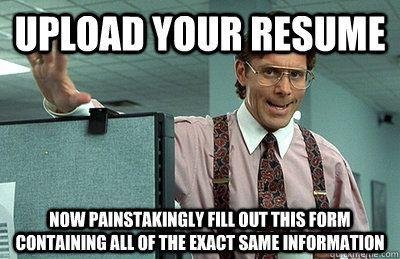
Figure 2 – There should be a job application agent too
Audio Job Search is not another generic AI wrapper; nor is it a huge commercial project. It is a tool that gives audio nerds a genuine systemic advantage in the toughest hiring climate our industry has seen in a decade.
We just tagged the v4.1 release, complete with automated credential safeguards, 13 pre-tuned audio disciplines, and a turnkey setup that runs locally in your favourite AI environment (Cursor, Windsurf, Claude Code, or terminal).
How to get it? Use this link. Once you decide to buy, I will help you install it and udates are included – without any subscriptions and expensive plans.
And if you’ve been out of work for 6+ months and need a boost—reach out, I will install it for free!.