As enablers of the creative process, two topics are on our minds. What is the creative process looking like when AI is used in it, and how do we continue to enable that process past our prototype and after establishing product-market fit.
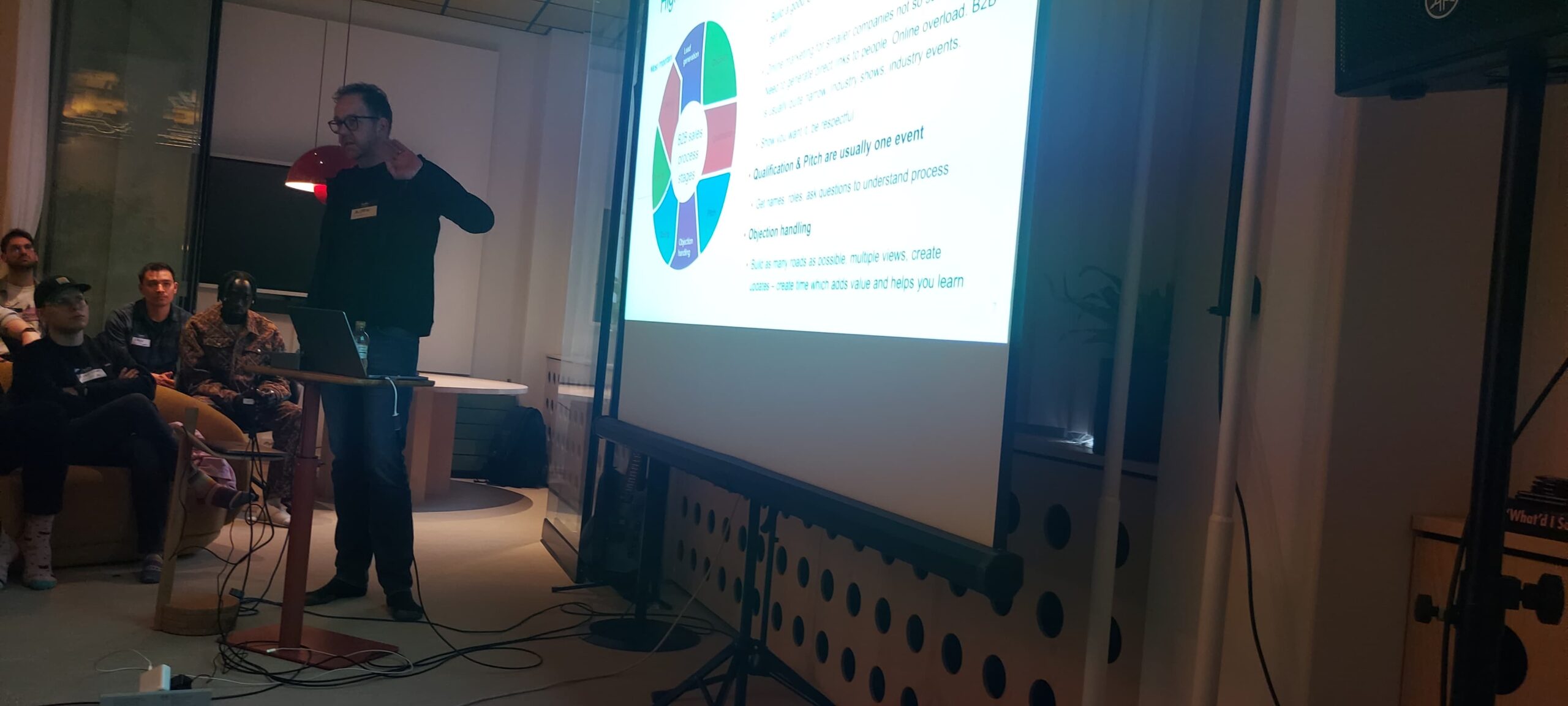
I attended the Tel Aviv Sound Forward Music Tech conference recently. It was an important experience for me, to be in a familiar space. My last experience in such a space was in the Audio Product Jam in Berlin last fall.
I joined the Sound Forward event seeking a sense of belonging, as well as seeking synchronicity.
When I speak of synchronicity, I am warmly referring to Julia Camaron’s idea of it in The Artist Way, remaining open to opportunities that present themself in my creative journey.
Meeting new people and opening my mind to different perspectives has shown to present much synchronicity in my life.
I found myself right upon arrival diving into a conversation about the Wolfsthal family’s musical history from the Jews of Galicia with the first person I striked a conversation with, how he tracked down the history of his family of musicians in today’s Ukraine, and we bonded over our shared roots.
Later during the conference talks I got to hear about the opportunities we’re seeing in the world of sound tech today and what is to come, from AI enabling acoustic detection and decision making processes, to protecting artists IP and making the creative process more accessible to all.
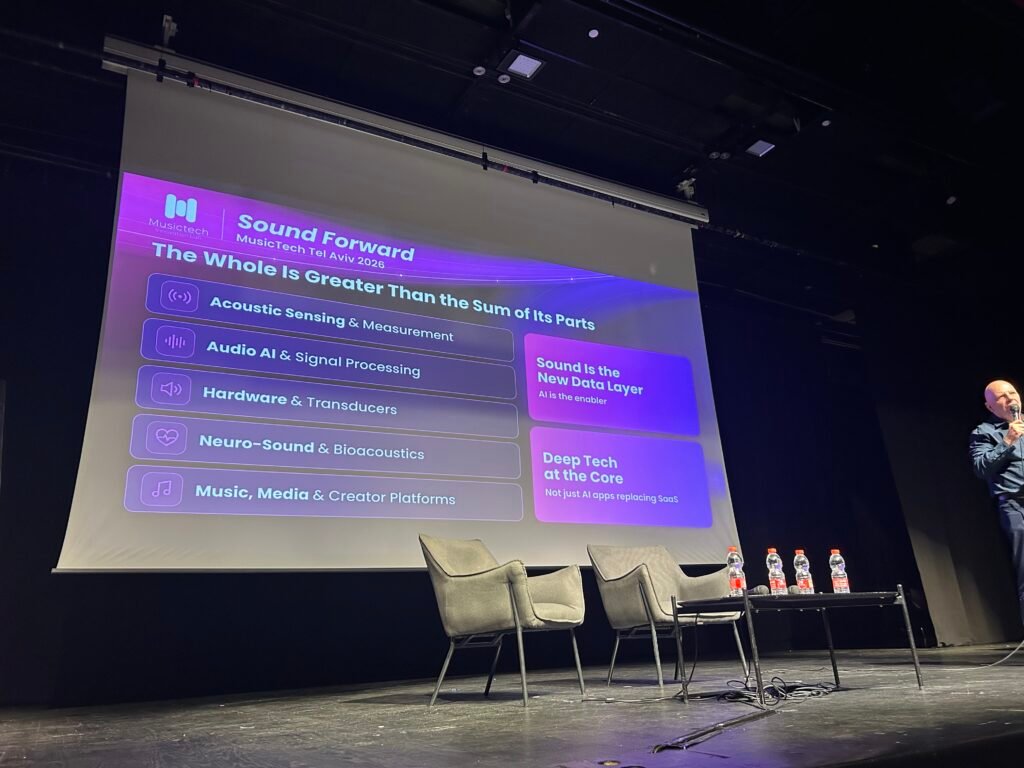
The great thing about synchronicity is that you remain open to what might come instead of resisting it. It isn’t what we product people are most used to, in a world where we set clear goals, with a strategy leading to it, supported by existing data.
Synchronicity is letting things unfold in the manner and pace that they will do so, not pushing it, just taking the action that feels right at a given time. Being kind to myself when things seem to be developing slowly. With an attitude that remaining open, hopeful, while staying aligned with reality, will pay off. The hope that comes with faith that things can be better. This is grounded in having built confidence in the resourcefulness I have shown in the past, having felt stuck and getting unstuck.
Another personal example of synchronicity I had recently was participating in the Elevate Women Hackathon.
I decided to take on a role that many of us have, expanding from that of the product manager, or the role of a visionary, stepping into the role of a builder, learning to harness new capabilities using AI.
Once I decided to be open to this opportunity, where the focus was on learning AI tools to build something, the doors of creativity opened and the ideas came pouring. To remain grounded I had to consider what is feasible to do within the hackathon timeframe, balancing that with what is most impactful and that I will be passionate about creating.
What helped me narrow down my idea list was the guiding thought, instead of jumping into a field that is new to me, I decided to dive into an area I am already passionate about and familiar with the user group and their challenges.
Which led me to think of the culture I helped influence in Native Instruments, one in which we have conversations that had to happen for us to move forward, tuning in to the pains fellow employees were bringing up, when we met by the coffee machine. Speaking of their limitations in releasing products, due to the complexity and multitude of our systems.
In Native Instruments I found my calling, finding a way forward, deciding as teams, what technical debt we live with for now, and how to plan for a better experience for us and our users in the future.
Reconnecting with this passion I dived back into learning about the topic. This time expanding to engineers, managers and developers in verticals other than music tech.
I left these interviews firstly with a new definition for what I was exploring, no longer referring to it as technical debt, an issue that needs to be addressed a technical one, but following an interview of a dear ex-colleague framing it as a product debt, the result of rushing to get to MVP product market fit, and that once that’s established we need to discuss when is the right time to address it.
Over the years I’ve learned how to tie a roadmap to the measurement of a KPI, our impact towards our customers’ success. A great example is the likelihood of a customer to have an activated product ready to be used in their music production workflow.
When taking on the company’s build & release pipeline as my product, and my customers were now our internal engineering teams, I dived into researching, what are the metrics I should track to measure my customers’ success. That they can easily build and release products.
This led me to becoming familiar with several common frameworks for tracking developer experience and technical debt, the SPACE, DORA and SQALE Frameworks.
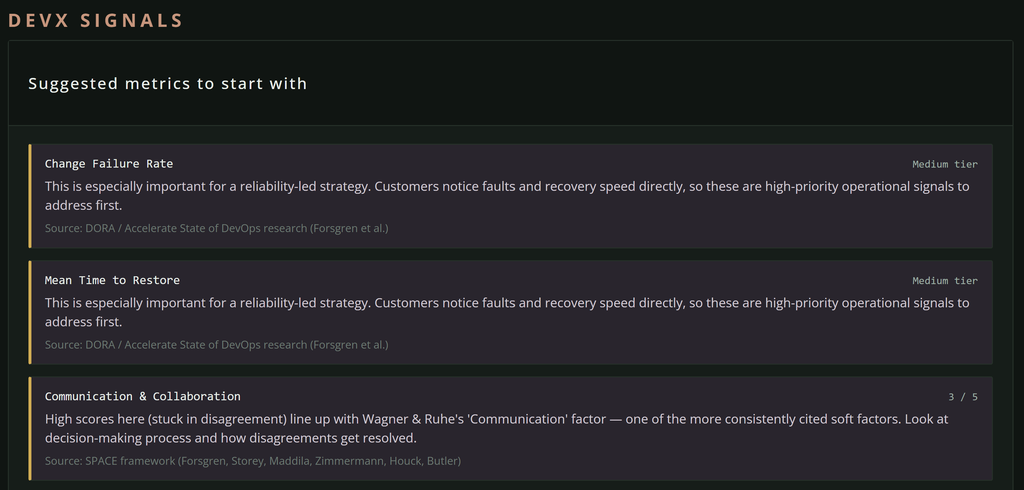
In unison they give a full picture of a team’s ability to deliver and the reliability of the product. I decided that with my hackathon MVP I will give a team member the ability to bring up what they experiencing, or observing the team are experiencing. By filling out a survey containing 11 questions about product reliability, deliverability and their daily work experience. Touching on both objective factors of release cycles, downtime and rollbacks, to subjective ones such as the team member’s ability to focus, reach and remain in a state of flow, and the quality of the team’s collaboration and communication. While doing so the tool is able to suggest what KPIs the team can focus on based on what’s brought up as the most painful areas.
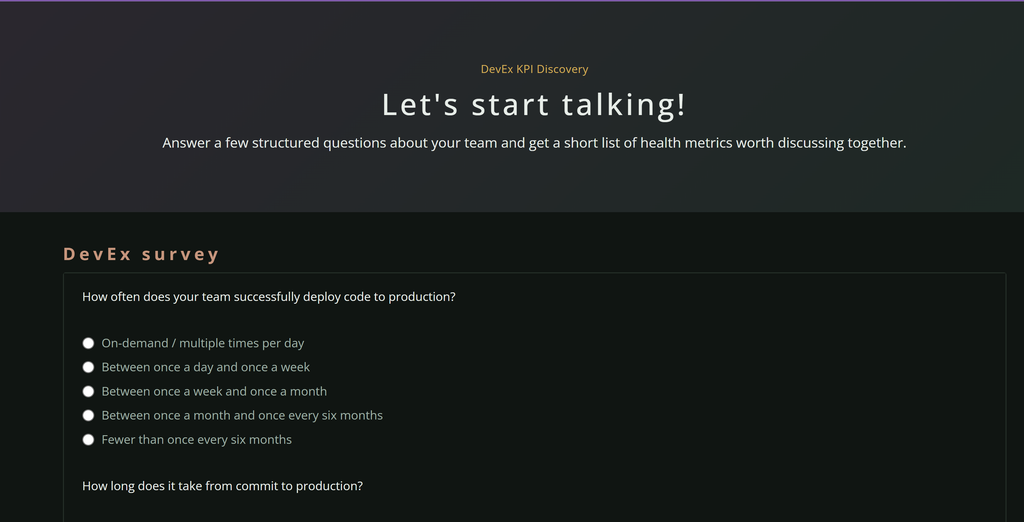
Since a company’s business model might impact the areas we want to focus on, two additional questions about the business aim to give a more fitting indication to what should be the areas of focus of the team.
The minimum viable product here are two outputs, the survey that can be taken to the team, that with the different team members’ results they can discuss what to focus on, and a slide deck of the top metrics suggested, also a way to start a conversation about what to focus on.
When we took such conversations into a roadmap, modernizing our installer technology for the majority of our products, we did not only solve the risks associated with a cumbersome setup, that difficult to maintain, with high cognitive load, but also delivered an improvement to our users’ experience, helping them succeed, and worked in alignment with our strategy of providing a seamless integrated experience.
I still am looking to establish product market fit for this prototype, finding the team looking to do the work, to reflect on what is blocking them, what are the priorities when it comes to improving those bottlenecks, what will they want to start tracking and the initiatives in the roadmap that comes out from this process.
If you know of a team that at the water cooler, or coffee machine, speaks of barriers to product delivery, to focus, and/or to collaboration. With these conversations remaining in this state, conversations, instead of actions, or decisions, perhaps this tool can help, connecting that banter to metrics, to business impact, and finding actions to address it in the team roadmap.